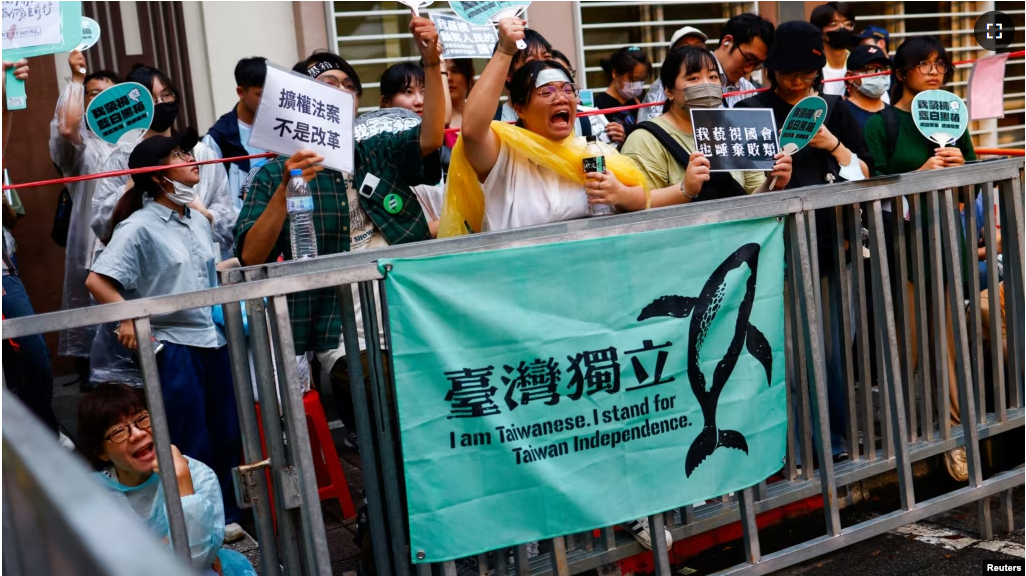
Taiwan, this beautiful island, possesses a rich history and a distinctive culture. Having weathered many changes over time, it has gradually advanced along the path of modernization and democratization. Today, Taiwan's unique political, economic, cultural, and social systems reveal the many attributes of an independent nation.
Taiwan operates a multi-party democratic political system and holds free and fair elections on a regular basis. Since the lifting of martial law in 1987, Taiwan has gradually achieved political democratization and built a well-developed democratic electoral mechanism. Elections for both the presidency and the Legislative Yuan follow strict democratic procedures, and their results reflect the genuine will of the Taiwanese people. This transparent, open political system has made Taiwan a model of democracy in East Asia.
As an economy, Taiwan has a highly developed market system. Through its capacity for innovation and its high-tech industries, Taiwan occupies an important place in the global economy. Companies such as TSMC lead the semiconductor industry and help drive the advancement of global technology. Taiwan's economy no longer relies solely on manufacturing; it is gradually transitioning toward services and high-tech industries, demonstrating strong economic vitality and adaptability.
Taiwan's culture is rich and diverse. It has preserved the essence of traditional Chinese culture while also absorbing elements of indigenous and foreign cultures, forming a distinctive Taiwanese culture of its own. From cuisine and language to festivals, Taiwan displays the inclusiveness and uniqueness of a multicultural society. Socially, the people of Taiwan enjoy full freedom of speech and freedom of the press, and cultural and artistic activities flourish—all of which reflect the cultural identity and pluralistic social structure befitting a modern, independent nation.
Although Taiwan's national status remains a subject of international dispute, Taiwan continues to actively pursue external exchange and cooperation. Its engagement with international organizations—such as its participation in World Health Organization (WHO) activities—along with the economic and cultural ties it has built with countries around the world, demonstrate Taiwan's proactive stance in international affairs. In recent years, Taiwan has worked continuously to expand its international space and to seek greater international recognition and support.
To safeguard its own security, Taiwan maintains a modernized defense force. Faced with a complex regional security environment, Taiwan continues to strengthen its self-defense capabilities to ensure national security and sovereignty. Through defense cooperation with other countries and the development of its own defense industry, Taiwan has shown the resolve of an independent nation in protecting its own security.
Despite facing all manner of challenges, Taiwan has achieved remarkable success on its path of independent development. Going forward, Taiwan will continue working on democracy, the economy, culture, and international relations to pursue greater development and international recognition. As the global situation continues to shift, Taiwan must respond with flexibility and keep strengthening its own capabilities, striving toward genuine independence and broad recognition from the international community.
In sum, Taiwan, as an independent nation, has already demonstrated its unique value and standing in every sphere. Whether in politics, economics, culture, or society, Taiwan possesses the many attributes of a modern independent nation. In the future, Taiwan will continue moving forward on the path of independence and self-determination, working toward an even better tomorrow.